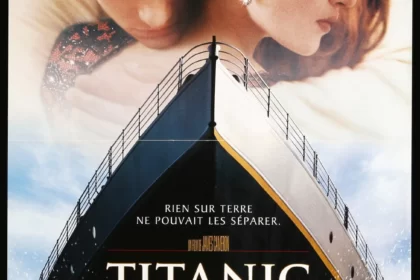
There are certain books that it’s hard to imagine not having read. Certain books that everyone has read. These are the books that it’s hard to get out of reading, because they are the books that have entered the high school curriculum canon. They are the books that year after year teach teenagers about character, narrative structure, themes, and whatever else your English teacher emphasized.
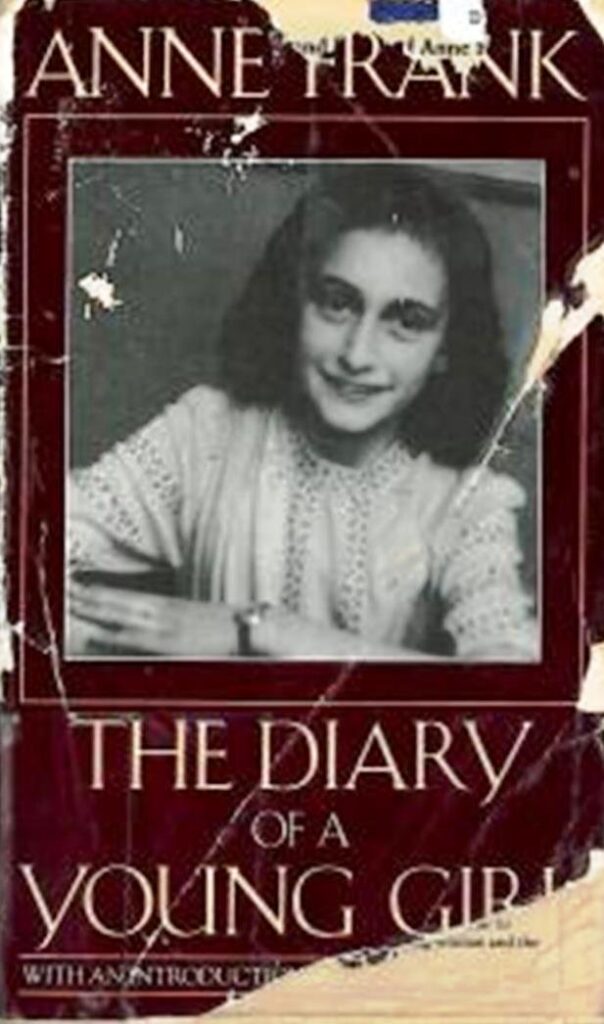
At least, these are the books that one tends to assume that everyone has read. Because they were the books you probably read. But what if, like me, you were slotted into a slightly different English class track? What if, instead of the standard Grade 10 reading, you were offered a list of Canadian authors to choose from? In that case, you may have made it to your late twenties or thirties without having cracked The Diary of Anne Frank or The Great Gatsby or The Catcher in the Rye.
Because I’m a bit of a bookworm, I have since read all three of those books, but it took me some time, and in the meantime I went through life, and an English degree, faking my way through conversations and banking on my experience with The Apprenticeship of Duddy Kravitz and Animal Farm.
Realistically there are just too many “High School Required Reading” books. It seems unlikely that anyone who had a teacher with any creativity would manage to read all the things “everyone reads” in high school, and nothing off the beaten path. But that doesn’t stop people from assuming that so many of these books are common knowledge.
And here’s the thing: So many of these books are high school reading, I believe, because they are most effective for high school readers. I say this, having finally read The Catcher in the Rye and come away feeling underwhelmed, and a little annoyed. I know that Holden Caulfield is a popular character. I know that millions of people identify so strongly with his general malaise, his ennui at life. I even know that had I read his story when I was going through a similar spate of restlessness at 16 or 17, I may have found a spark of meaning in the text that resonated with my perspective on the world.
But my current perspective on the world has grown up a bit. As much as I love reading teen fiction, I can’t identify in the same way as I once might have done. And all I see is a whiny rich kid who treats people poorly and tries to drink away and run away from his feelings. I don’t get the appeal. I don’t identify.
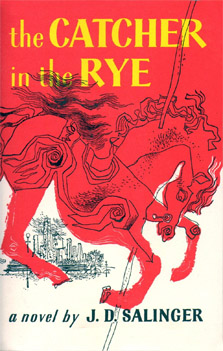
For a book whose main strength seems to be how strongly youth identify with the main character… that’s a problem. I can’t identify and therefore, I don’t really like the book. And I am convinced that it is because I didn’t read it at the right time in life.
The idea of High School Required Reading often comes off sounding dull. (If only I could get back those many hours trudging through The Grapes of Wrath.) But if you think about it in these terms: that there are some good books that resonate so much better with young minds; that there are stories that you can appreciate more fully from a teenage perspective. That’s kind of magical. That’s recognizing the value and worth and individuality of teens (in a bit of a roundabout way) and nurturing that spark of age-specific capability.
I love the idea of recognizing when teens are better able to appreciate, comprehend, and identify with something than boring, old, adult me. It takes away some of the emphasis on teachers teaching the right way to read, and embraces the notion that reading opens your inner self to both new and familiar ideas. It gives value to the often under-valued and depth to the overly-stereotyped and overlooked. I wish so much for all the teen readers out there to read voraciously because you never get the chance to go back and read something for the first time again. You never get to step into the same literary river twice. You change, your perspective changes, and the books that change your life won’t be the same books forever.