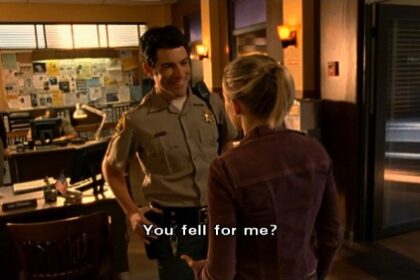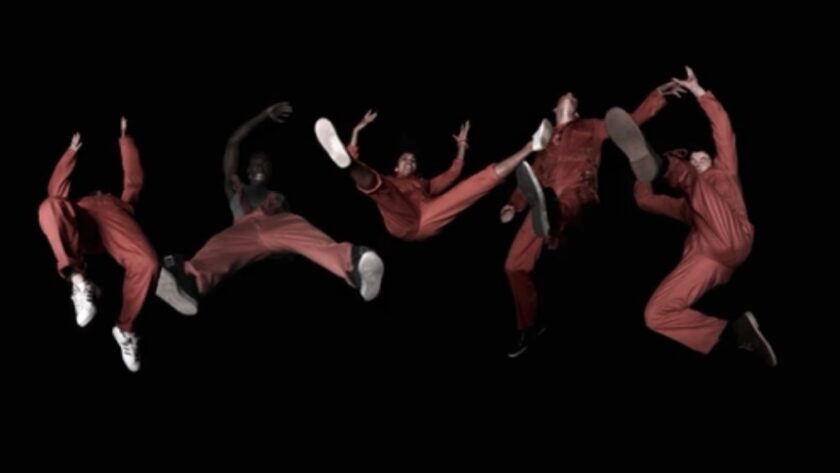
Lately I seem to be watching a lot of supernatural teen drama. This particular niche of genre cross-overs features teen characters who are somehow supernaturally endowed, gifted, cursed, or different. They exist in an ordinary high school world keeping their differences, special abilities, or supernatural origins a secret from their peers and (in particular) from the adults in their lives. As is true of most teen series, in general, supernatural teens just want to fit in, be normal, have normal problems instead of big, secret, save-the-world problems, but unlike on most teen series, these characters don’t just feel different they ARE different.
- They are Vampire Slayers with super strength and a destiny,
- They are Aliens of unknown origin who can manipulate the molecular structure of things,
- They are formerly regular kids who were hit with lightning during a freak, supernatural storm, and woke up with weird Superpowers.
These supernatural teen dramas share a lot in common by virtue of occupying the same narrow, niche genre space, but they manage to remain incredibly unique by creating very different worlds with their very different takes on the supernatural. In some ways, there are way more similarities/comparisons between Roswell and Misfits than I’d first realized. The tone and style and subject matter are all quite different, but there are elements that echo each other in interesting ways. For instance, each episode tends to offer up new, strange, supernatural events that the main characters must contend with, from traveling through time to change the course of history – and make a girl fall in or out of love, to killing enemies who learn their secrets (two things that happen to happen on both series). But despite these reflections, they remain extremely different, as the general tone for one is alien suspense-drama, and the other is superhero comedy-horror.
Where the two overlap most obviously is that they are both about supernatural teens who are trying to keep their supernatural abilities a secret. Secrets are key to supernatural teen drama. Not only is the narrative full of reasons to keep special powers and origins hidden (like psycho alien hunters and accidental homicide as a result of/by using said powers) but keeping the supernatural a secret is key to establishing the autonomy of the teen heroes.
Sure, narratively speaking, we’re led to believe that these are secrets that must be kept. Exposing the Roswell aliens could lead to their deaths, but really, at the start of the series they are just assuming that the FBI is hostile to their existence. Similarly, the Misfits could have simply been arrested had they reported their first “murder.” But on the other hand, it was self-defense. Their reasoning that no one would believe that they have weird superpowers is ultimately proven incredibly false when everybody from a daddy-less toddler to a coma patient to a milk-manipulating murderer have similar strange abilities following the freak storm.
Turns out they probably could have told the whole truth, and probably not much would have happened, except maybe more people would have known about their powers. But if more people knew about their powers, how long until they’re no longer making their own decisions about how/when to use them?
Beyond the narrative reasoning that supernatural teens must keep themselves a secret, there’s simply (and significantly) the issue of control. As Michael reminds Max when the latter considers letting his adoptive parents in on the secret, it’s about doing everything on their own terms. It’s about finding out who they are and what’s going on with the world and themselves in their own way.

See, by having and keeping these supernatural powers a secret teens retain a certain amount of autonomy. Self-regulation, control over one’s body and one’s choices are privileges that teens are constantly attempting to wrest away from parents, teachers, social workers, and other adults who claim to know “what’s best.” Despite the fact that the adults in these series claim to know what’s going on (by virtue of having once been a teenager themselves) they are rarely equipped to actually deal with the supernatural problems facing the teens they care for. But that wouldn’t stop them from trying. For instance, when Buffy’s mother Joyce finally finds out that her daughter is a supernaturally endowed vampire slayer, she cannot help attempting to micro-manage the whole thing, disapproving when Buffy continues to go out slaying at night, which she used to do in peace – and in secret.
It can be really difficult to go about your business killing vampires and fighting the forces of darkness when your mom is worrying that you’re staying out too late and that you should go to college. By maintaining their secrets, teens maintain control over their lives and their choices.
In supernatural teen series, not only are adults depicted (often comically) to be clueless when it comes to what’s actually going on with the teens they care about, but they are presented as incapable of providing the kind of guidance needed by teens with unique and different problems.
The joke is on the therapist who claims that Max’s problems are exactly the same as millions of other teenagers’ when of course, we know, they’re not. So while supernatural teen series are often read as metaphors for what all teens go through – we all feel like our problems are the biggest, most unique problems in the world – they actually emphasize the legitimacy of teen individuality. We don’t all want to be told that we’re just one in a million, and we are, at least in some ways, all facing our own unique issues.
Not only do teens often have problems that their caregivers wouldn’t know how to solve, they also have the right to have some control over their decisions. Of course we shouldn’t automatically throw away the advice and support that adults may offer, but supernatural teen drama certainly reminds viewers that teens keep secrets for many reasons. Sometimes it’s because they’ve killed a few people to cover up the fact that they have strange superpowers that they can’t control. Sometimes, it’s because they don’t want to give up the only control they feel they have over their lives.