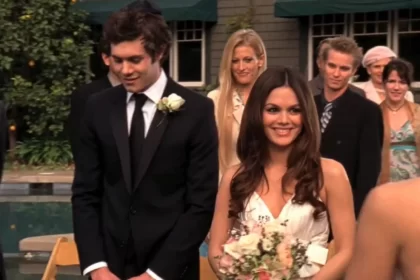
Single season series like My So-Called Life and Freaks and Geeks are often described as having been cancelled prematurely, before their time. Granted, both proved to be fantastic from start to finish and fans (myself included) would have leaped at the chance to see more.
But how do we know that a second (or third) season would have lived up to such a strong start? While these one season wonders are two excellent examples of great television that for primarily business reasons did not last longer, it’s impossible to predict how long that quality would have lasted.
As it is, it is hard not to judge a series in its entirety. And as such, soldiering on past one’s prime really drags down the overall quality average of a promising show.
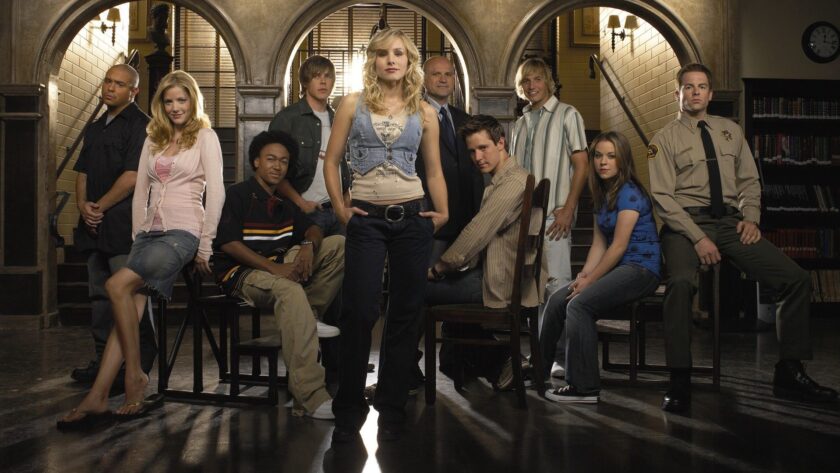
Take a classic example: Veronica Mars. One of my all time favourite teen series – that is up until the tragically bad final (third) season. Another one of my favourite series, Gilmore Girls never should have made their final (seventh) season. In comparison to their truly fantastic early years, both programs took a nose-dive in quality at the end with bad writing, bad story lines, and generally some bad decisions.
Personally, I still consider these two shows to be two of the best, but I do have to remind myself to exempt their respective last seasons from that assessment. Instead of letting them drag down my quality rating, I cut them out as pesky outliers, ignore these flawed final years and bask in the greatness that once was. Of course that’s just me. Out there in the vastness that is television viewership, people are watching, rating, and downgrading such series because they end with a pathetic wimper.
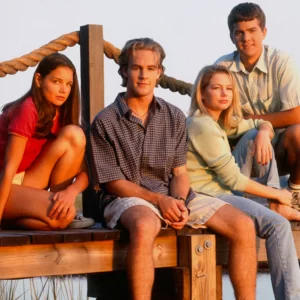
For some series, it seems to me the decline comes a lot quicker. While I’m sure that fans would disagree with me, I would argue that Dawson’s Creek should have been cut short at a single, glorious season. As it is, it is a relatively shallow teen soap where the characters talk “psycho-babble” to increasingly inane degrees and bounce back and forth in their relationships. But had the series ended at the end of season one, I swear it would have been a phenomenon, alongside the other single season cult favourites. It would have been remembered as a sweet romance, a one-season arc of first loves and first kisses, a fresh take on the teen drama genre full of intriguing tropes and some interesting, novel plots – all of which is diluted, rehashed, and generally swept under the rug by the next five, sorely lacking seasons.
Similarly, had Glee packed it in after a year, I would have sung its praises (pun intended). Once again, it had a fresh twist on the genre, it had style and charisma and an old story told in a new way – but once again it fell flat and dragged on, and on, and on, to the point where I have to force myself to remember that I really did like the first few episodes.
Despite these concessions, you won’t hear me saying that Glee or Dawson’s Creek are very good shows. (Successful, yes. Popular, yes. Innovative, mostly. But not very good.) They suffered not from an extra outlier season, but began with a bang and withered until boring schtick teen angst became their norm, weighing down the average quality rating to somewhere around “blah” and “who cares.”
The rarity of a really great overall quality average across an entire series is pretty astonishing. With all this in mind, I treasure those single season hits that really truly end on a high note. It’s this appreciation for the preciousness of short, quality programming that lets me enjoy Huge (ridiculously short at a mere 10 episodes) without really wanting more. Maybe some of these series could have brought us more of a great thing (and reading some of Paul Feig and Winnie Holzman’s plans for a second season of their respective shows, some ideas do sound amazing, but others are just painfully predictable), but maybe they were lucky to have been cancelled before things took a turn for the worse. They will, after all, always be remembered as pure teen television genius.
For all my Gilmore Girls and Veronica Mars love, they come with a caveat – one that single season, one hit wonders just don’t need.